
Slow Fashion:

Updated: Aug 11

In a world of fast cycles and faster waste, Slow Fashion: aesthetics meets ethics by Safia Minney feels like a deep breath — a reminder that clothing can be thoughtful, ethical, and made with care. It’s a book that speaks directly to the values behind Mabel Green Studio: reworking, repairing, and designing with intention.
What Safia Minney Argues
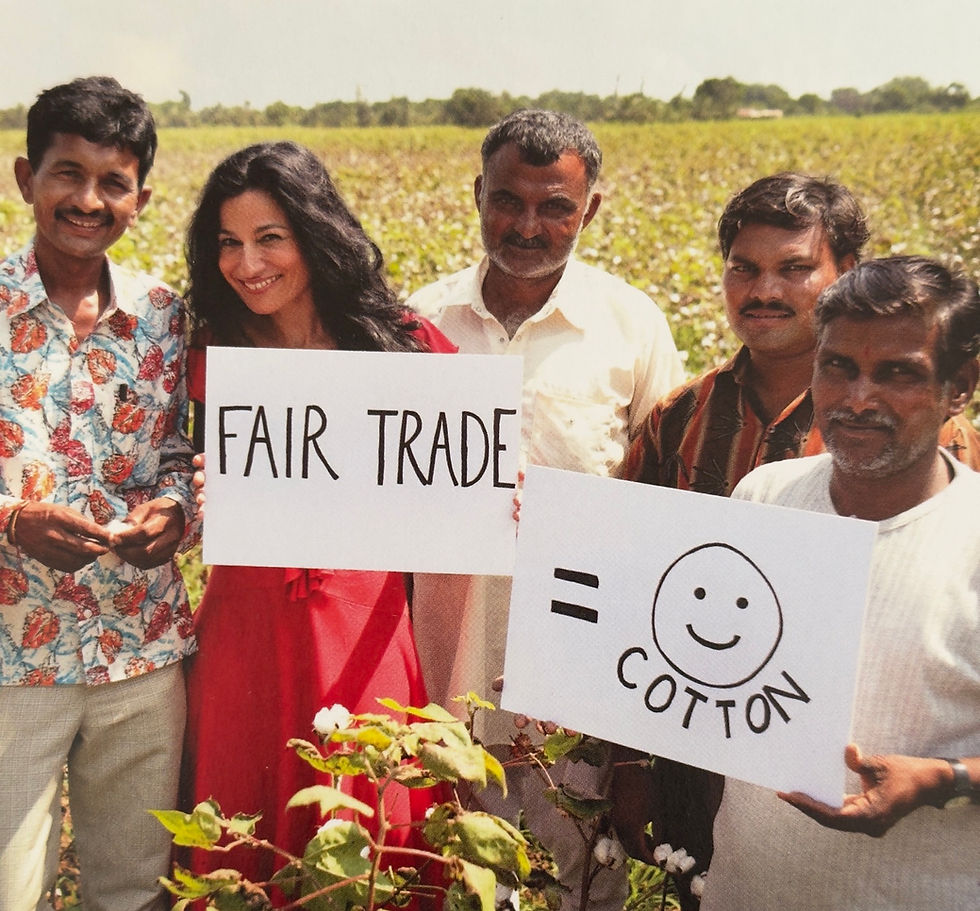
Safia Minney explores how fashion can be both beautiful and responsible. She writes about:
• Slow fashion principles — transparency, fair labour, longevity
• Ethical production — why supply chains matter
• Aesthetics with purpose — beauty as a form of responsibility
• Consumer behaviour — shifting from impulse to intention
Her message is clear: fashion doesn’t need to be fast to be relevant.
How It Connects to Mabel Green Studio

Reading this book feels like reading a manifesto for the work happening in my studio. Every reworked shirt, every transformed blouse, every carefully considered detail reflects the slow fashion values Minney champions.
• Reworking garments extends their life
• Thoughtful construction reduces waste
• Small‑scale making supports ethical production
• Purposeful design (including my animal‑care collars) shows that aesthetics and ethics can coexist
A Clothing Brand That Doesn’t Produce Clothes — It Reworks Them
This line captures the heart of my practice. Reworking is inherently sustainable: it preserves the story of a garment, reduces textile waste, and celebrates craftsmanship over volume. It’s a way of making that values what already exists.
What Readers Can Take Away
Slow fashion isn’t only for makers — it’s for anyone who wears clothes.
A few gentle shifts make a big difference:
• Buy less, choose better
• Support independent makers
• Repair before replacing
• Understand the story behind a garment
A Few Favourite Ideas From the Book
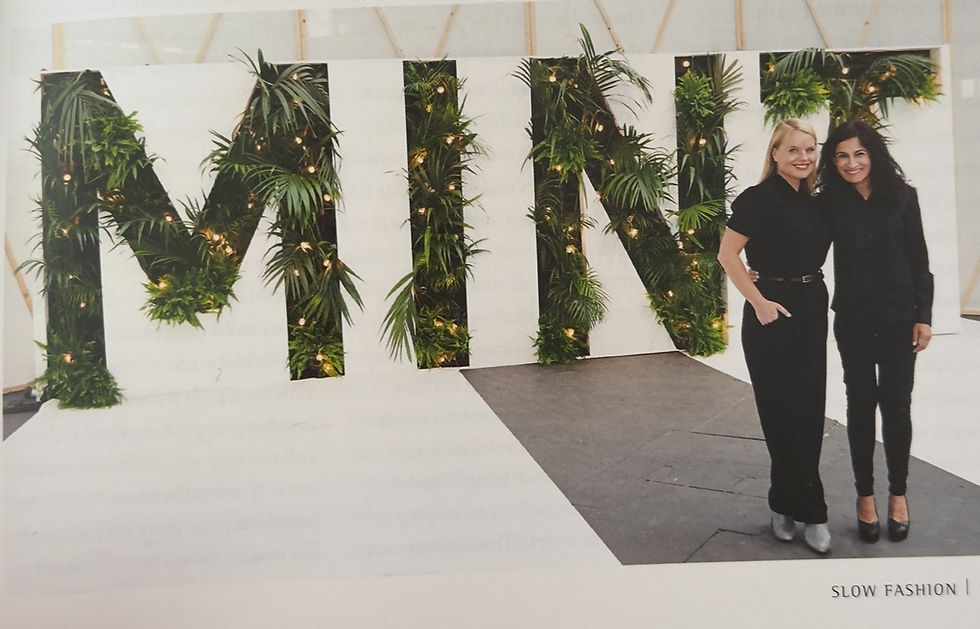
These ideas resonated most strongly:
• Clothing carries emotional value
• Transparency matters
• Community strengthens ethical fashion
• Small studios have a vital role in the future of clothing
Closing Reflection

Slow fashion isn’t a trend — it’s a shift in how we value the things we wear. Minney’s book is a reminder that independent makers, reworked garments, and thoughtful design have a powerful place in shaping a more ethical future for fashion.


Beautifully written. I love the idea that clothing can carry a story, and that reworking existing garments is every bit as creative as making something new. A lovely reminder that style and sustainability really can go hand in hand.